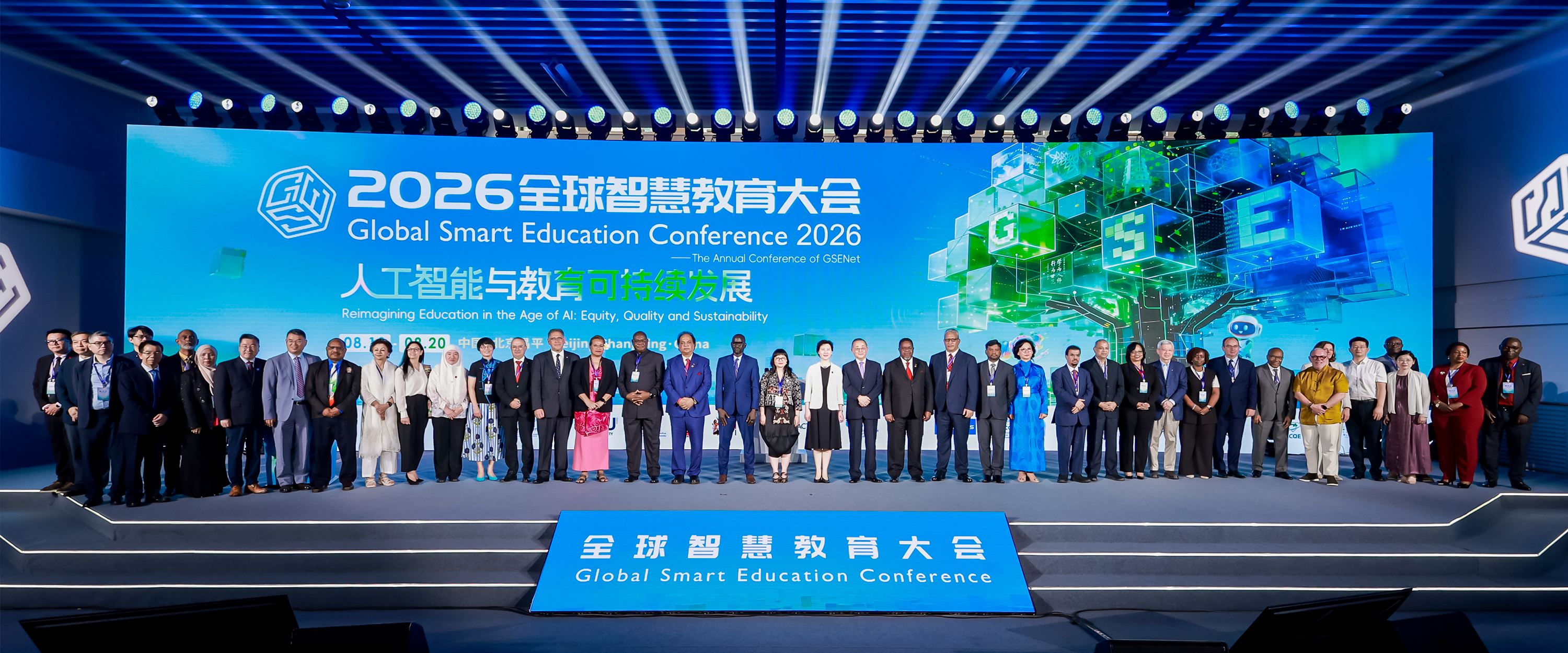
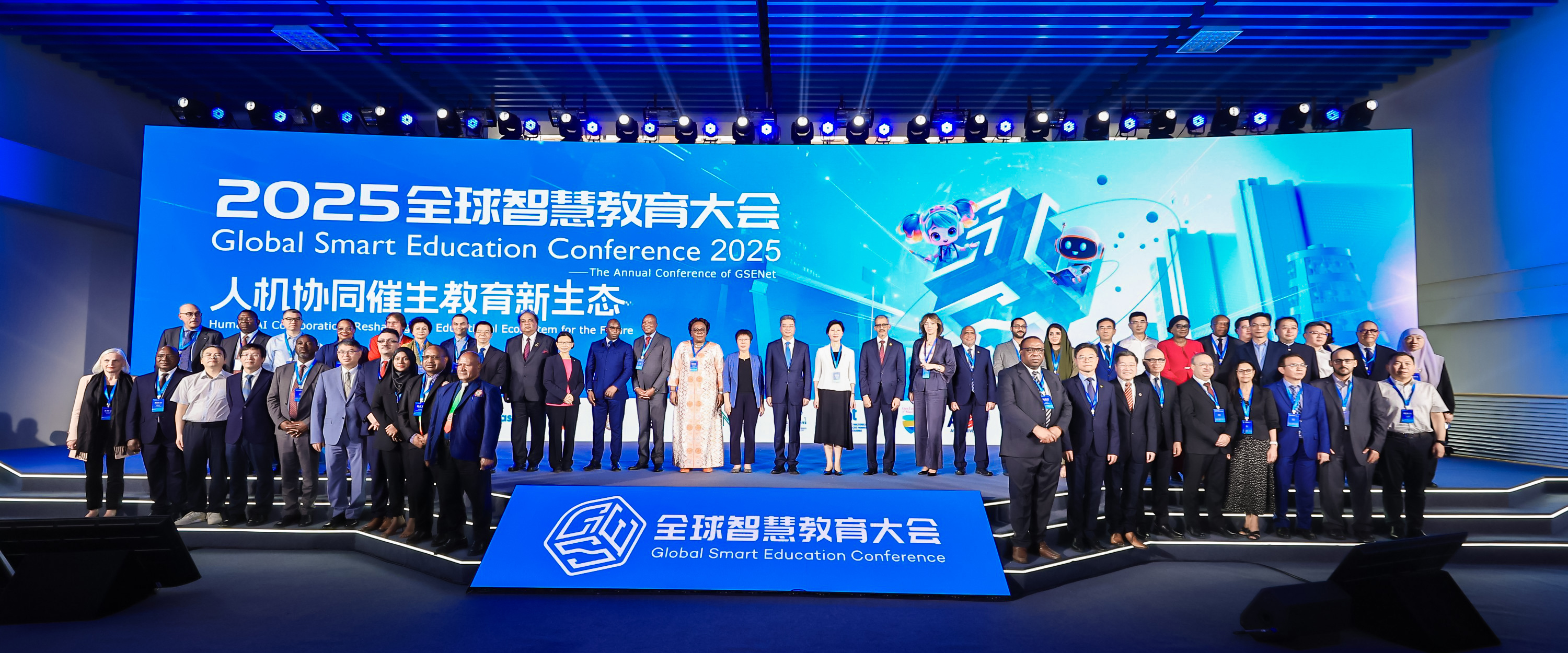
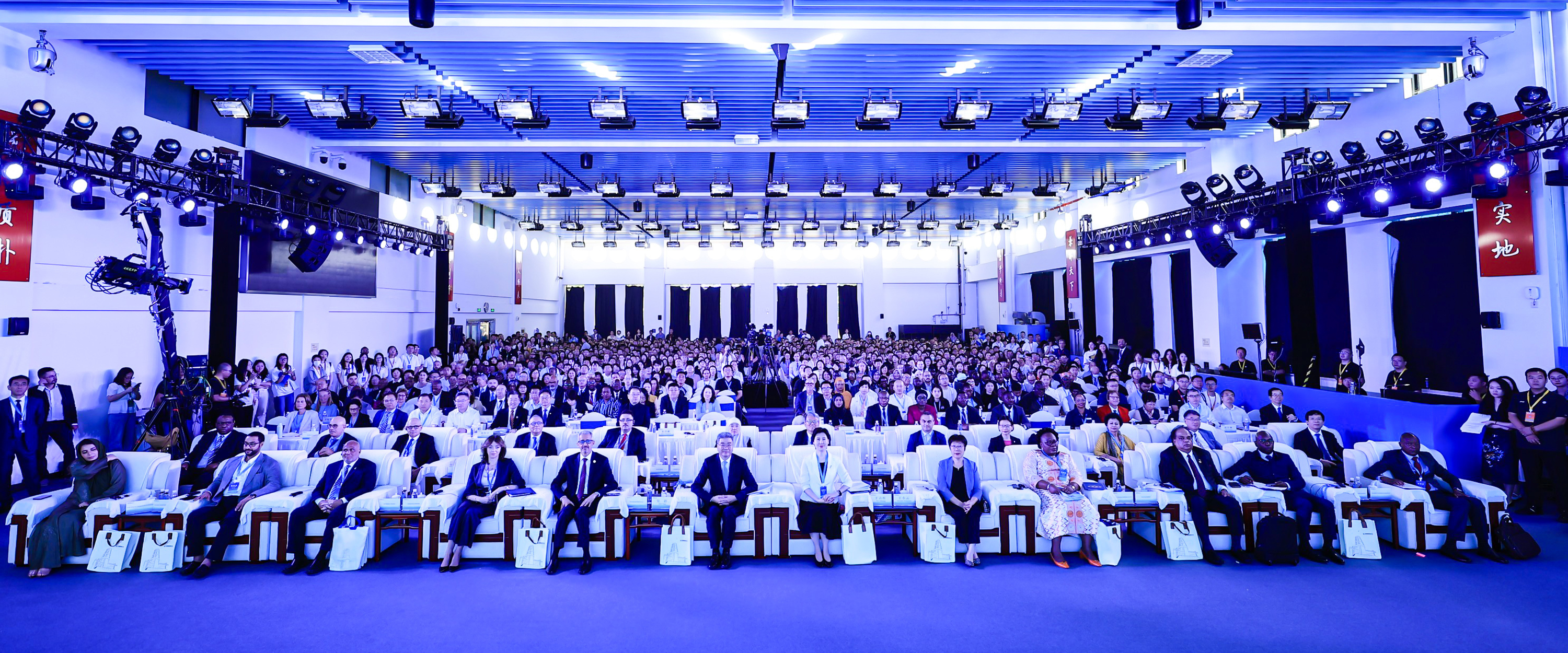
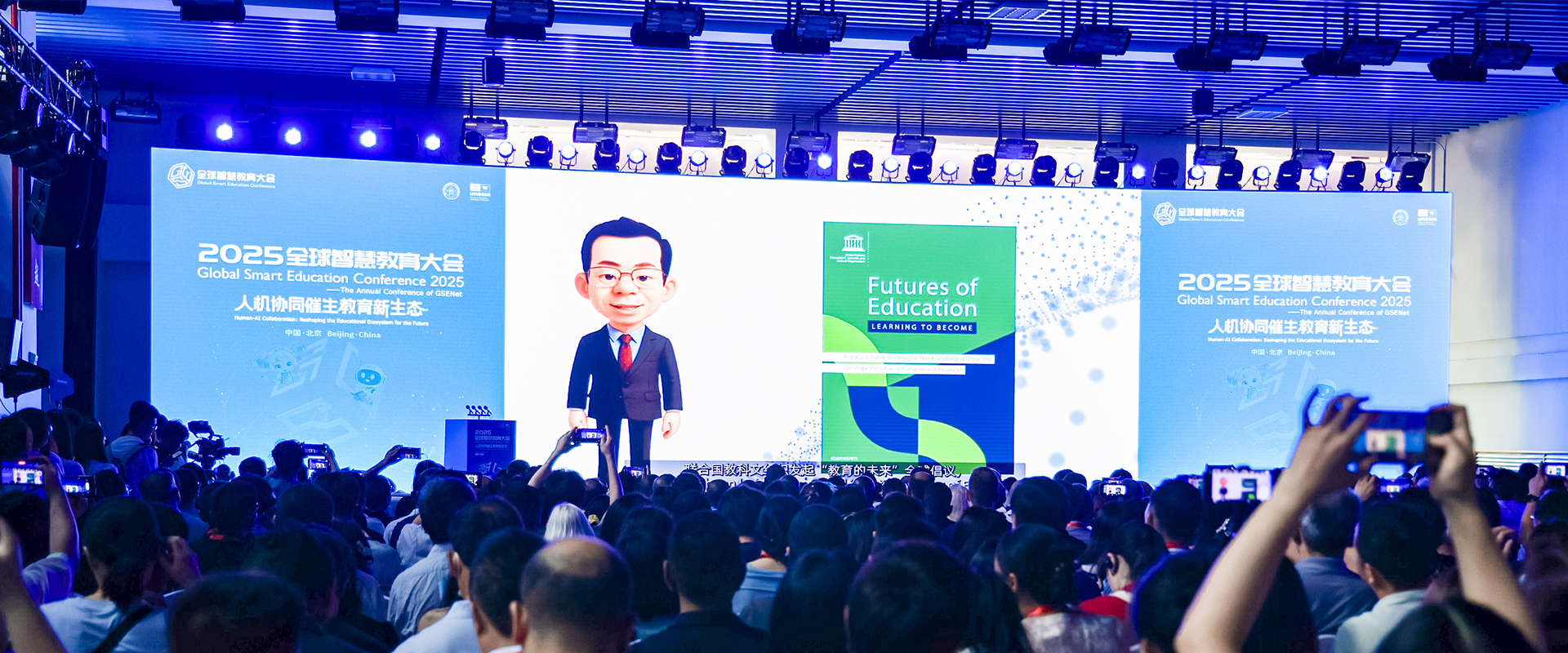
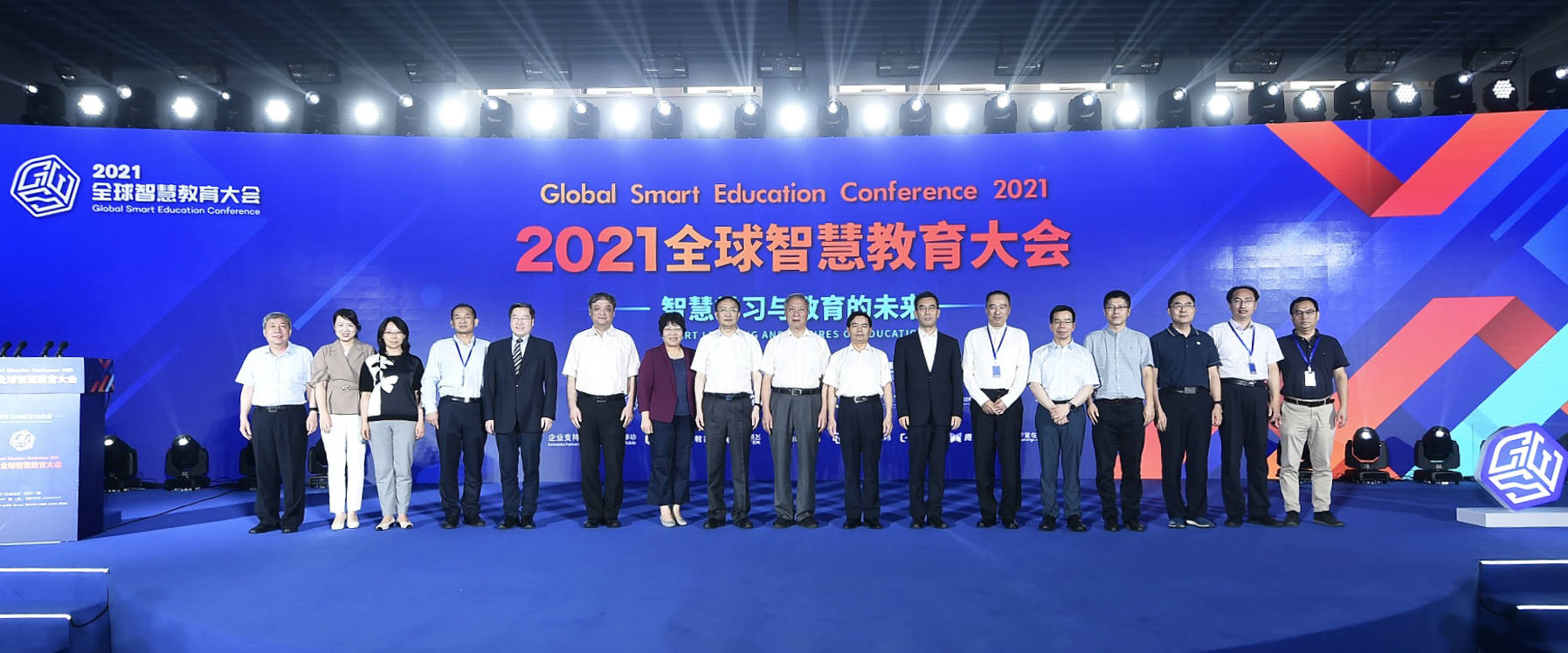
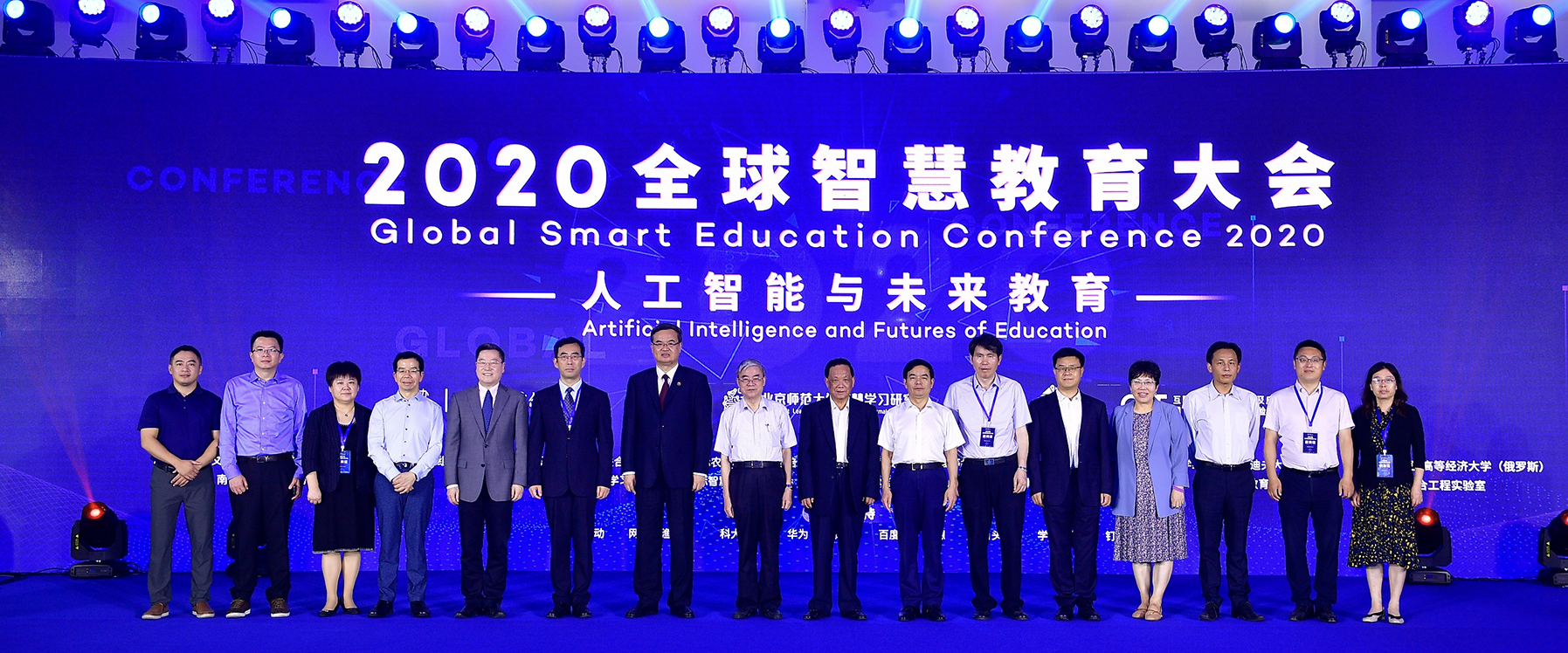
At this critical juncture following the inaugural year of smart education, education is undergoing a major digital transformation, signalling a new phase in the intelligent age. The deep integration of artificial intelligence (AI) and education offers significant potential to accelerate progress towards the Sustainable Development Goals, while also raising global challenges related to technological adaptation, ethical boundaries and educational equity. How can we uphold the human-centred essence of education and ensure that AI serves educational purposes rather than contributing to new imbalances or distortions? How can innovation in AI be aligned with educational principles so as to support the holistic development of learners? And how can the international community foster consensus and strengthen cross-sectoral and cross-regional collaboration to promote mutual learning and shared progress in harnessing AI for the sustainable development of education? These questions have become central to the global education agenda. As a new educational paradigm in the intelligent age, smart education is both a critical pathway for addressing these challenges and an essential strategy for promoting inclusive, equitable and high-quality education, as well as lifelong learning opportunities for all. It is increasingly recognised as a shared strategic vision for countries seeking to respond to the challenges of the digital era and advance progress towards SDG 4.
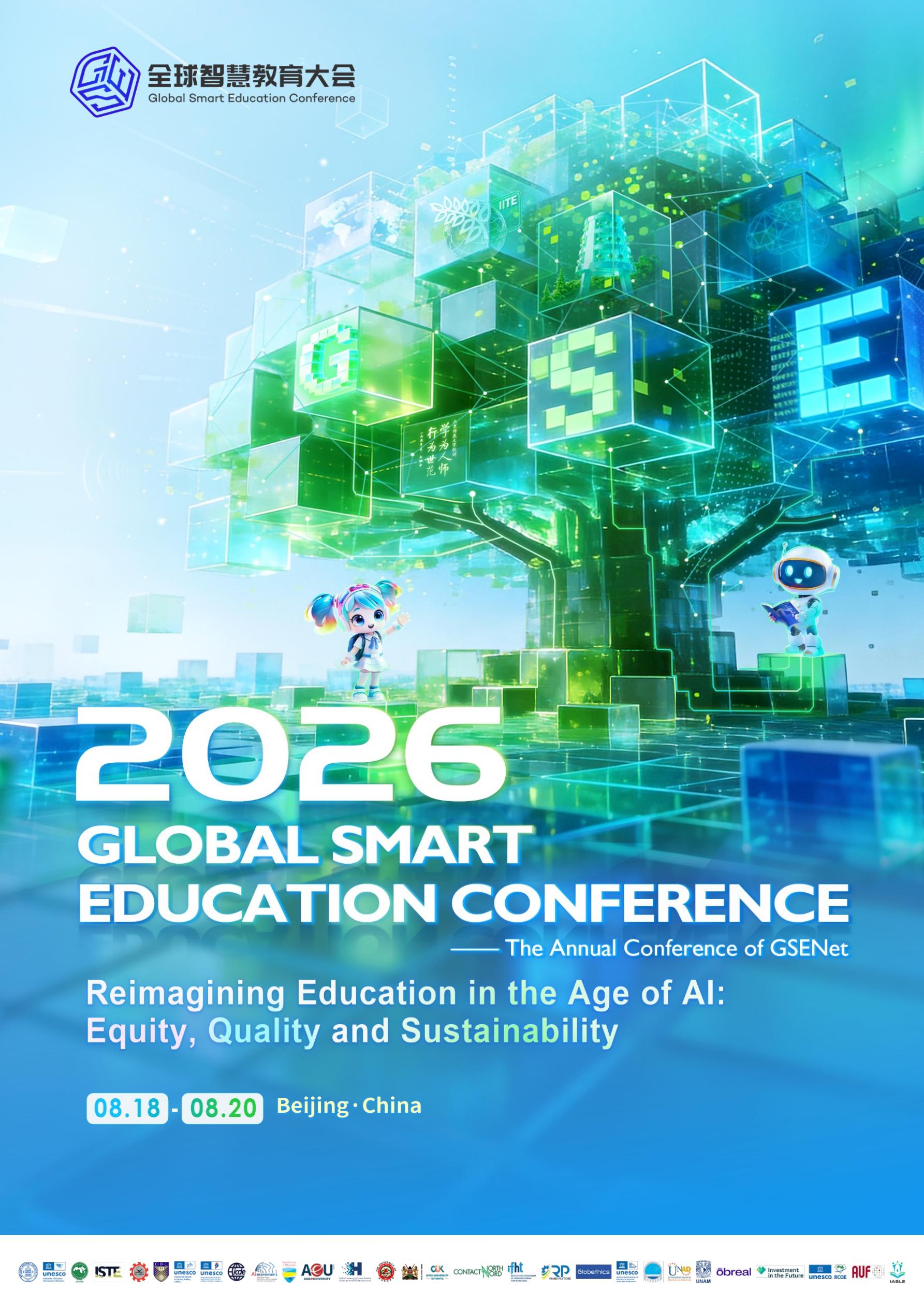
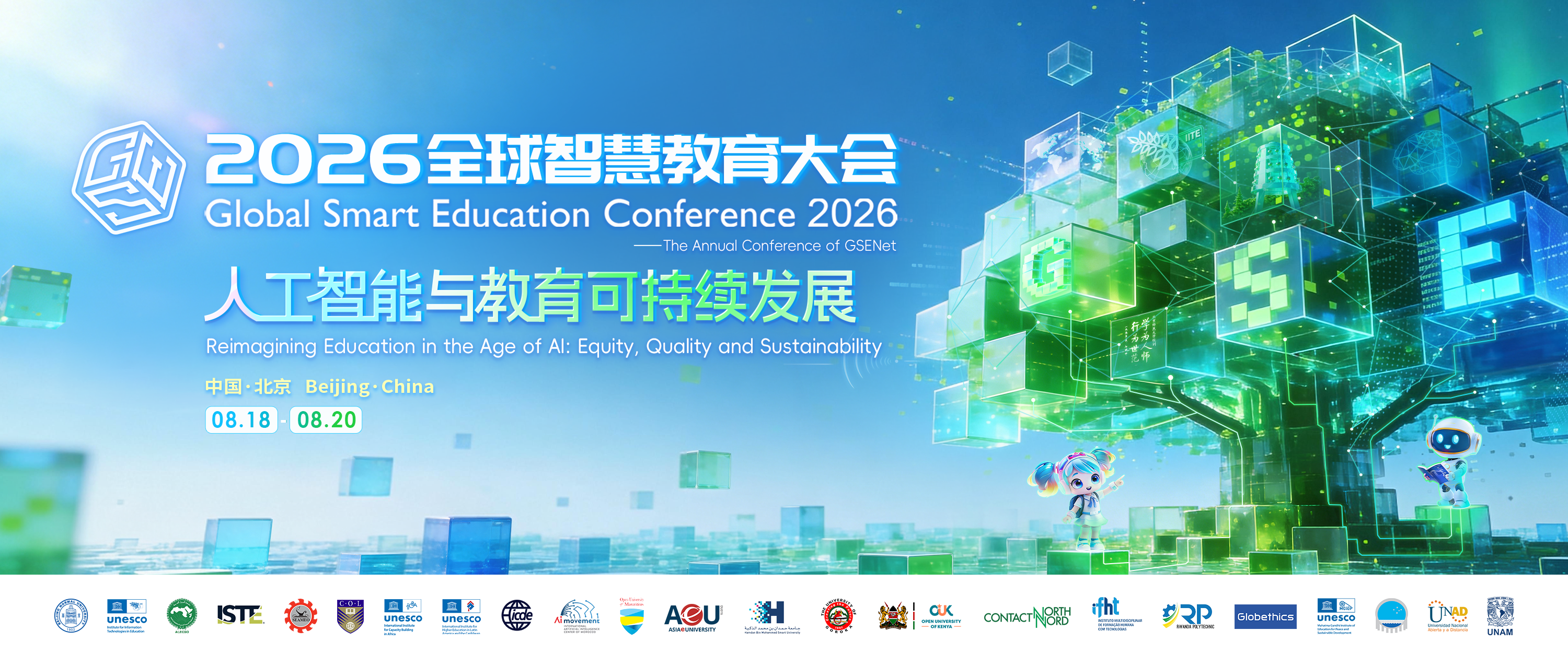
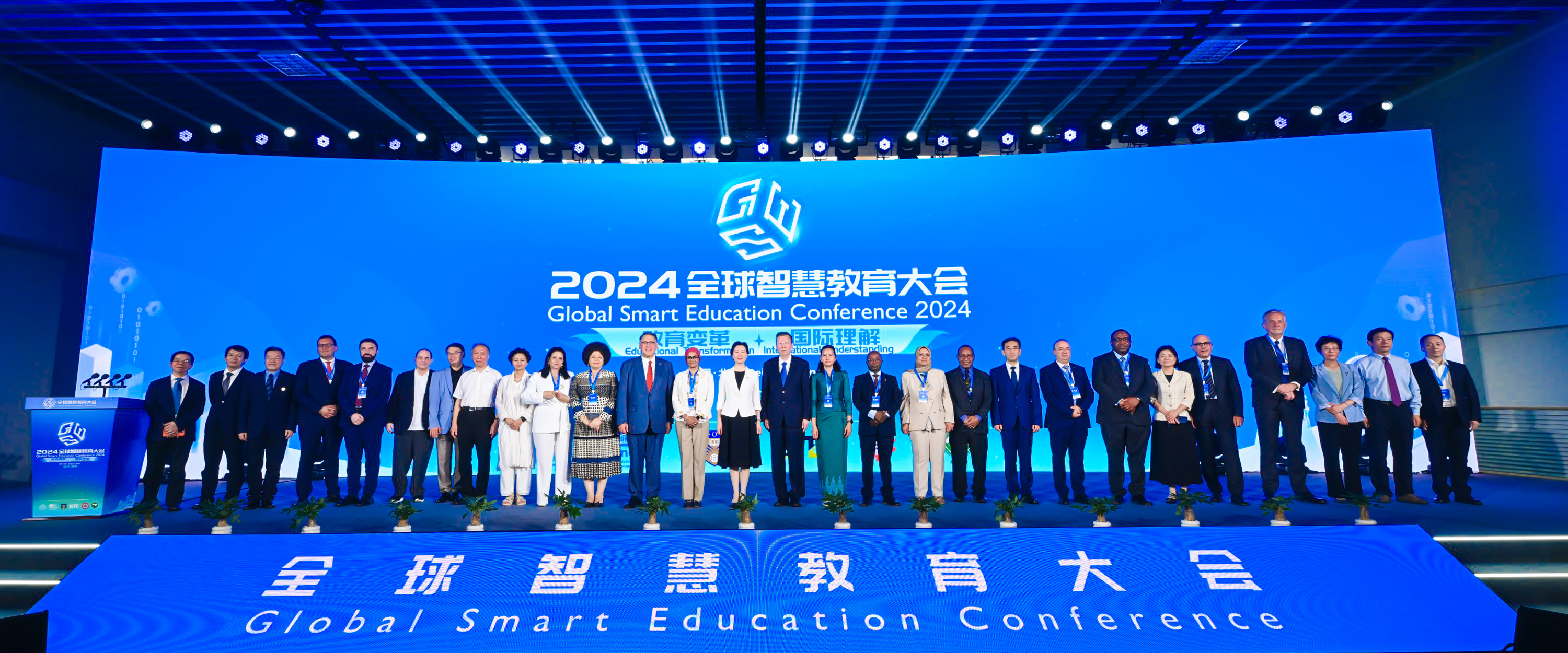
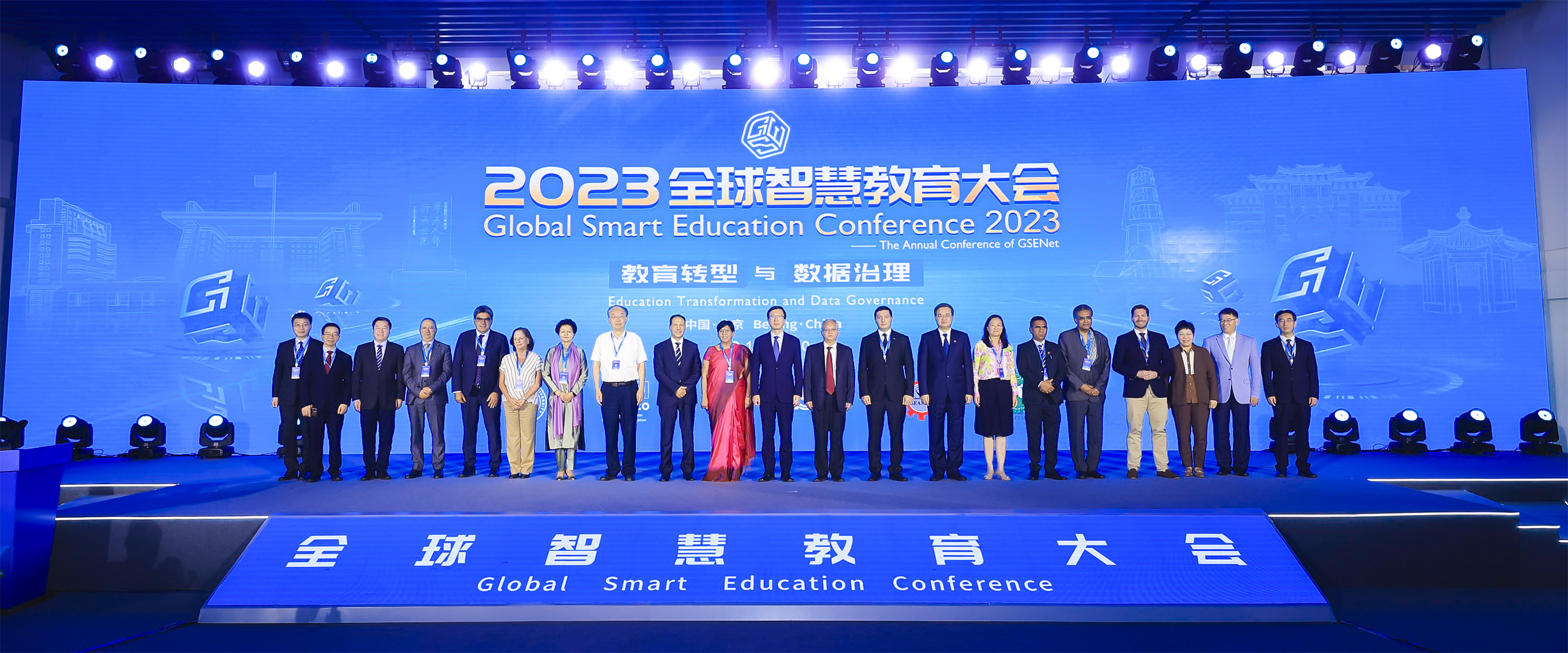
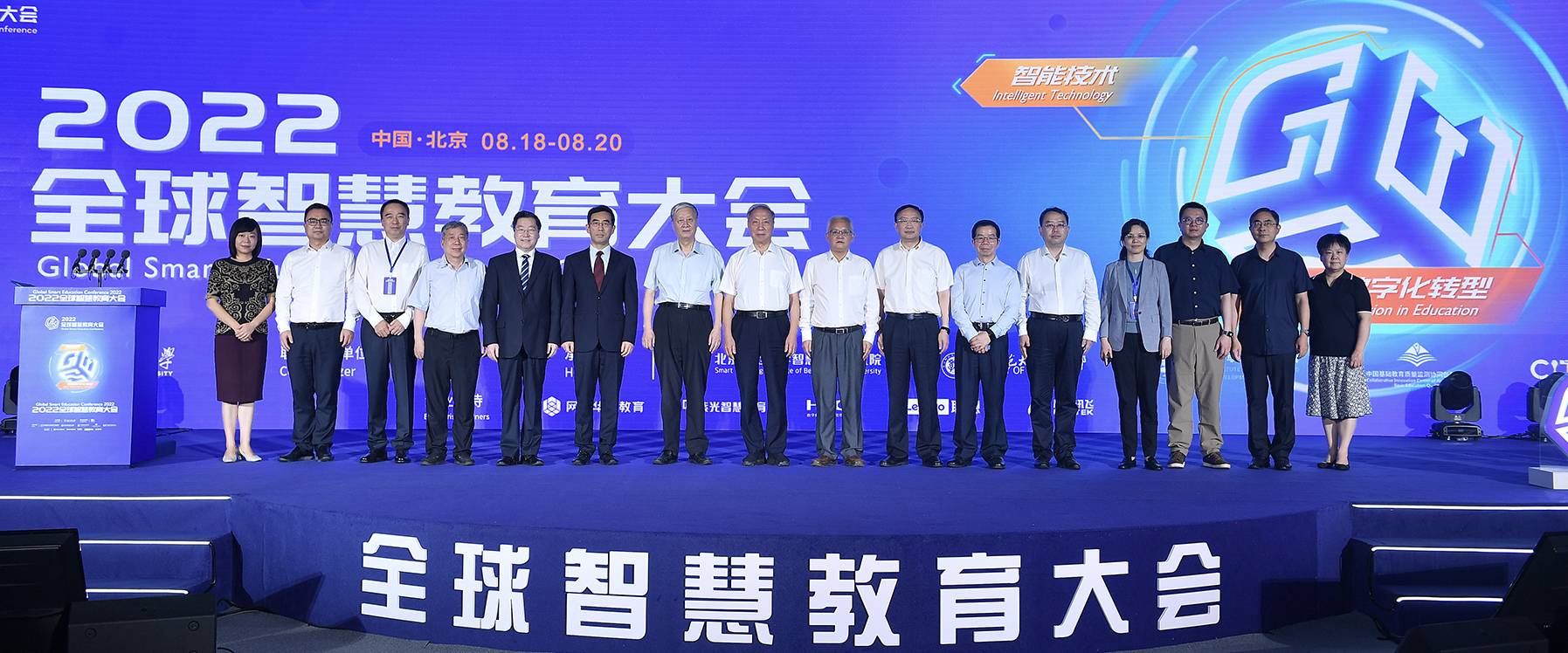
Since 2020, the Global Smart Education Conference has served as an important platform for international dialogue, exchange and cooperation on smart education. As the annual conference of the Global Smart Education Network (GSENet), the Global Smart Education Conference 2026 will be held under the theme “Reimagining Education in the Age of AI: Equity, Quality and Sustainability.” Through plenary sessions, parallel sessions, high-level dialogues, roundtables, workshops, seminars and design competitions, the Conference will provide a platform for exploring policy, technology, theory and practice in smart education, sharing innovative cases and solutions, and fostering international collaboration towards more equitable, quality and sustainable education in the age of AI.
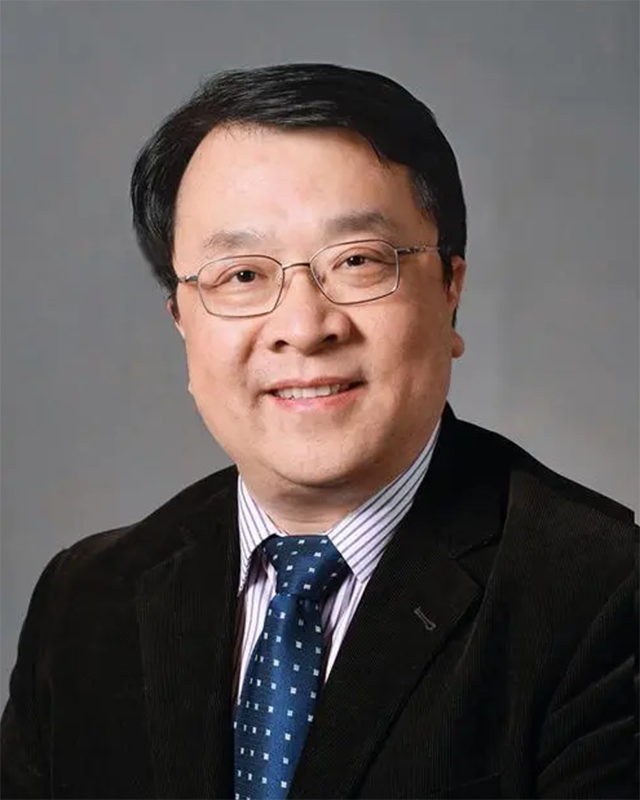
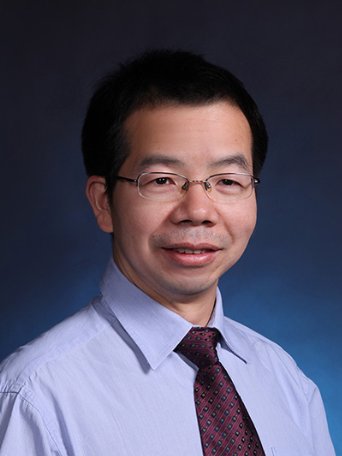
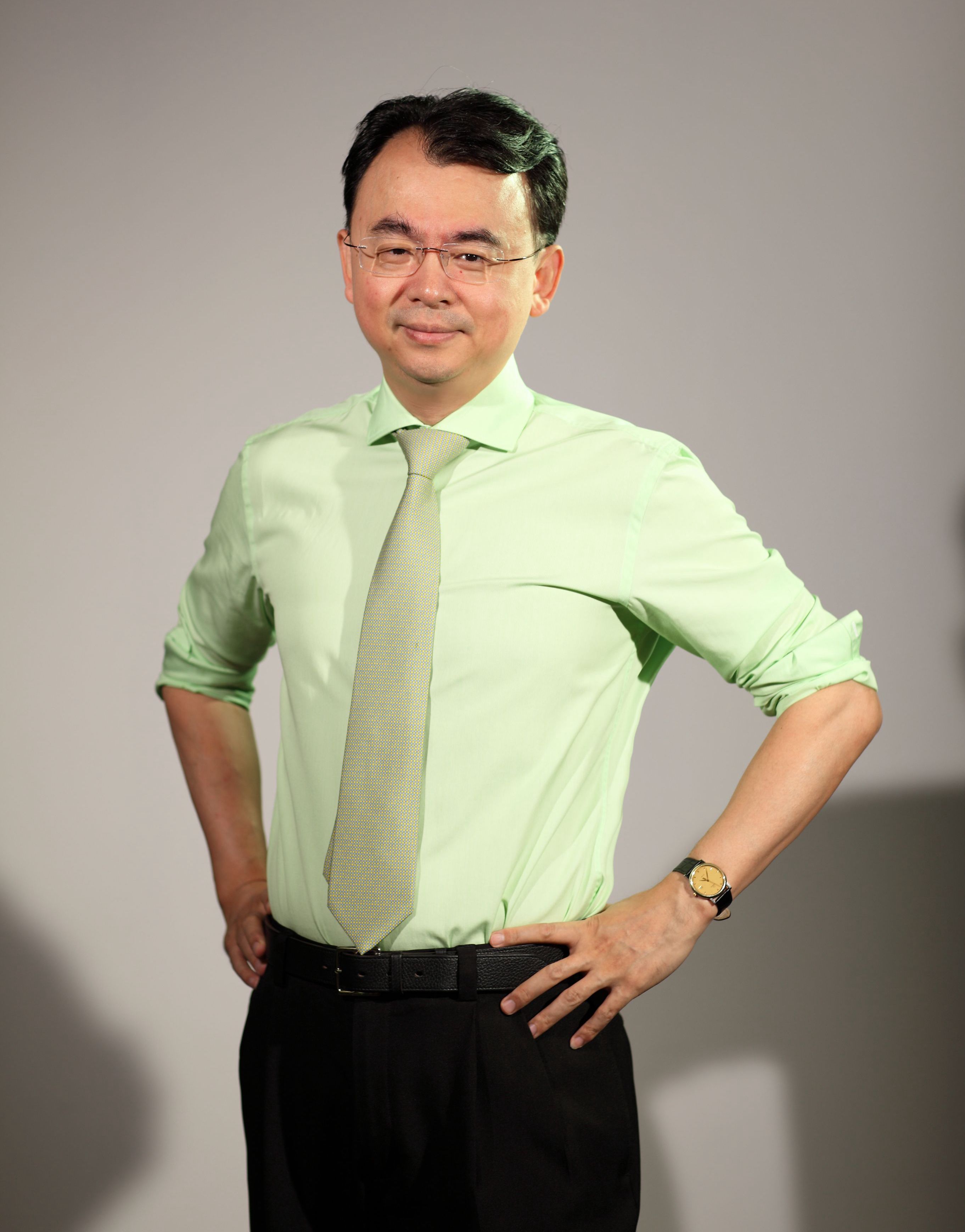
Co-chair of GSE Program Committee; Chairman of the University Council, Beijing Normal University; Chairman of National Engineering Research Centre of Cyberlearning and Intelligent Technology
President, Beijing Normal University, China; Academician of the Chinese Academy of Sciences
Member of the CPC Leading Group of the Ministry of Education; Vice Minister of Education, China
Co-Chair of the Conference; Former Assistant Director-General for Education of UNESCO
Minister for Education and Training, Tonga
Chief Executive Officer, Ministry of Education and Culture, Samoa
Minister of Employment, Vocational and Technical Training, Senegal
Minister of Tertiary Education, Science and Research, Mauritius
Deputy Minister of Education and Higher Education, Sri Lanka
Minister of Education, Serbia
Minister of Education, Science and Technology, Malawi
Chairholder, UNESCO Chair on Harnessing lnnovations in Technology to Support Teachers and Quality Learning; Professor, Asia Pacific University of Technology & Innovation, Malaysia
Chair Professor at Smart Learning Institute of Beijing Normal University; Chair of Global Smart Education Network (GSENet)
Senior Research Fellow Harvard Graduate School of Education
Editor-in-Chief of International Journal of Computer-Supported Collaborative Learning (Educaiton Q1-48); Professor, University of British Columbia
Editors-in-Chief of Educational Psychology Review (Education Q1-4); Professor, Erasmus University Rotterdam
Professor, Massachusetts Institute of Technology
Editor-in-Chief of Policy Reviews in Higher Education (Education Q1-67); Professor, Australian National University, Australia; Tsinghua University, China
Co-chair of GSE Program Committee, Co-Dean of Smart Learning Institute of Beijing Normal University, Chairholder of the UNESCO Chair on AI in Education
Chairman of NetDragon, Co-Dean of Smart Learning Institute of Beijing Normal University
Editor-in-Chief of Learning, Media and Technology (Education Q1-76); Research Fellow in digital literacies at the Centre for Research in Educational Impact at Deakin University
Editor of Journal of Open, Distance, and Digital Education (JODDE) ; Professor of Educational Technology and COER Director, University of Oldenburg, Germany
Under Secretary-General and High Representative for the Least Developed Countries, Landlocked Developing Countries and Small Island Developing States, United Nations
Co-chair of GSE Program Committee, Chief of Section for Technology and AI in Education, UNESCO Future of Learning and Innovation Team; Interim Director, UNESCO International Institute for Technology in Education (IITE)
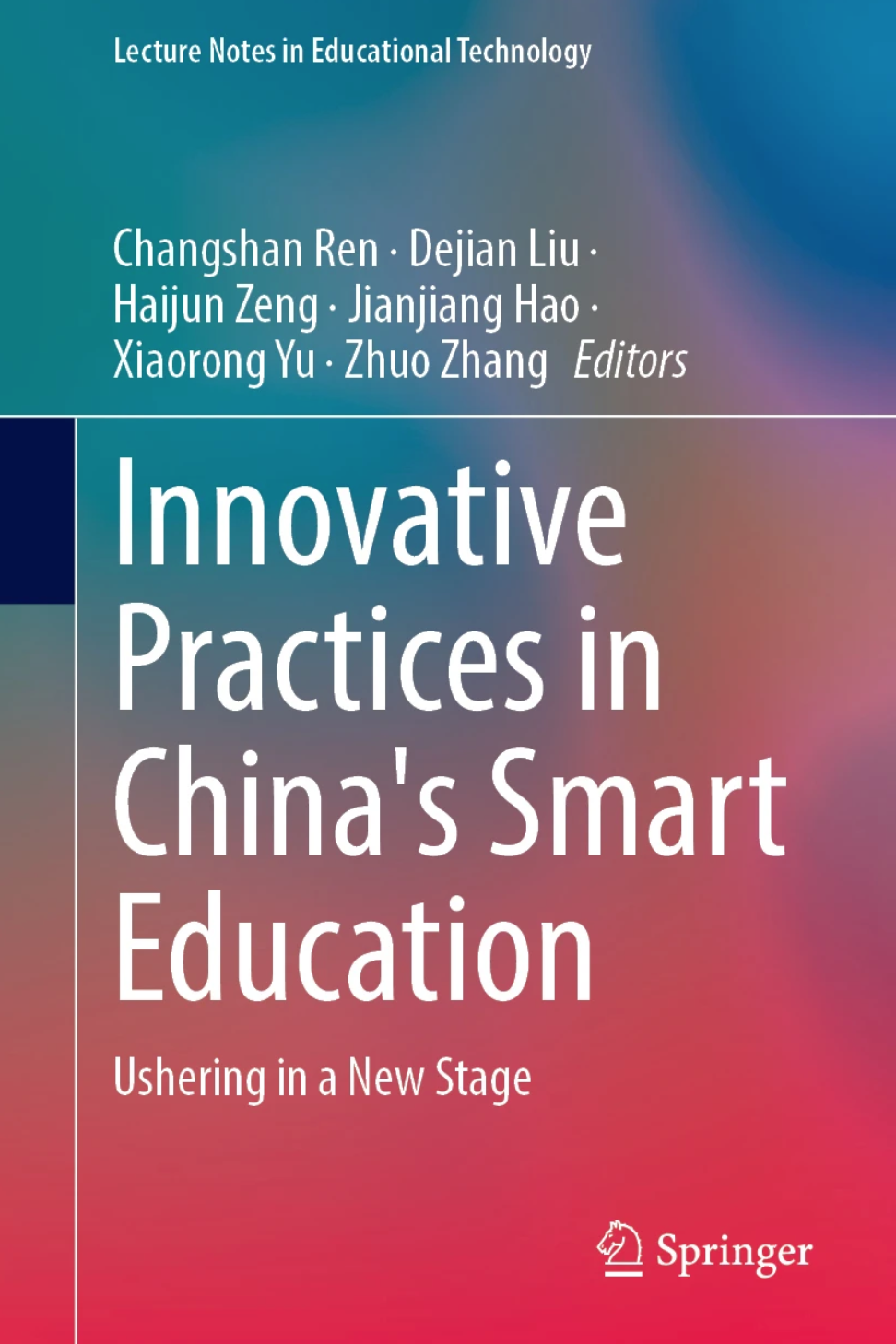
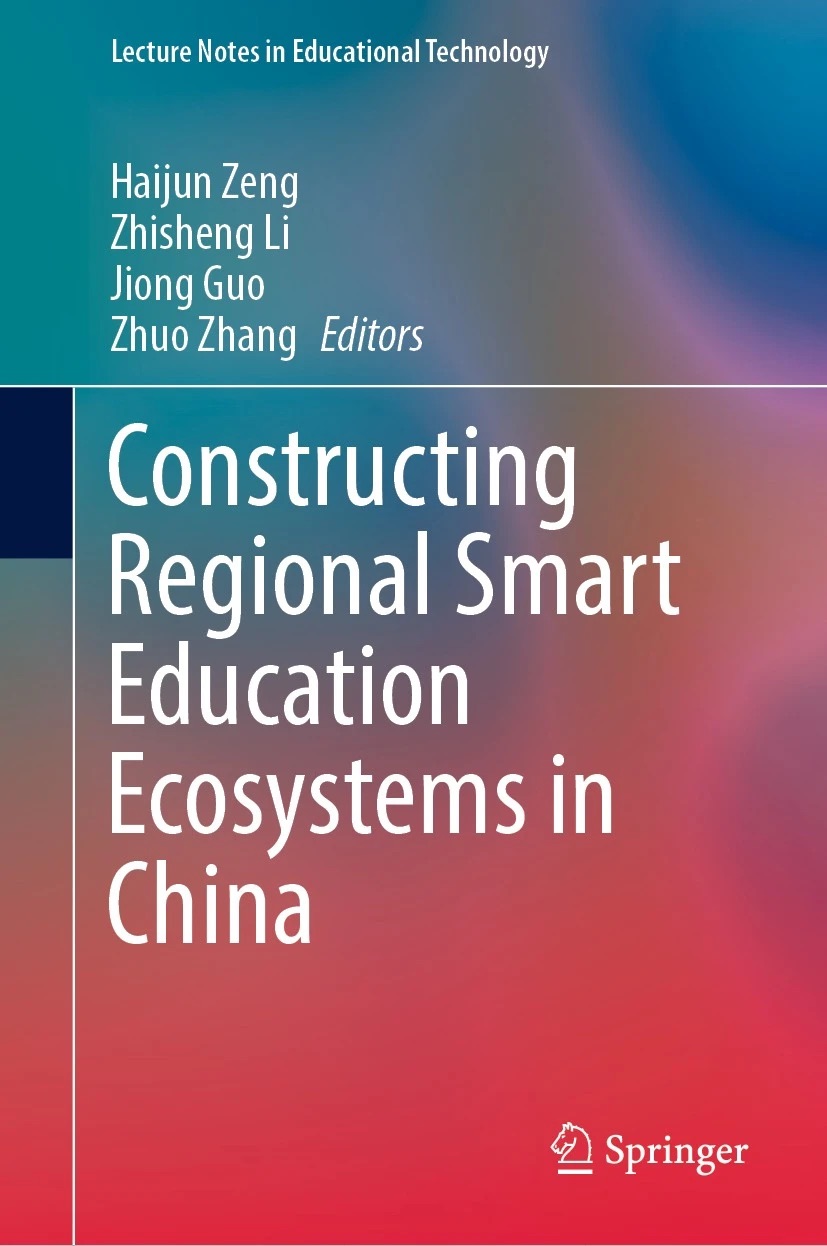
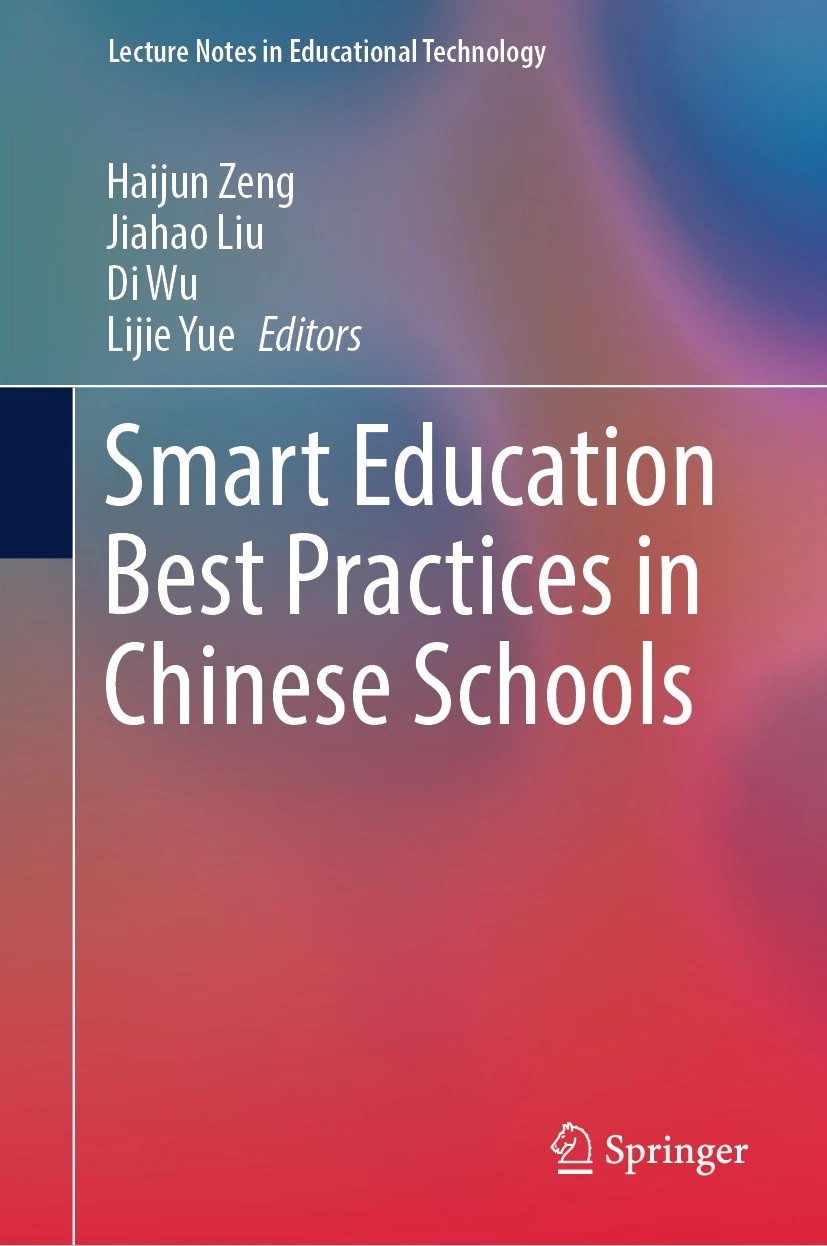
This book presents 36 case studies selected from over 1,000 cases collected via the “2024 Smart Education Outstanding Cases” solicitation initiative. This initiative was launched by the “Smart Education Demonstration Zone” expert group secretariat, in collaboration with the Ministry of Education’s Education Informatization Strategic Research Bases (Beijing, Central China, and Northwest regions).
This book presents the best practices of smart education in different regions across China. Each chapter addresses one or more of the following topics: smart learning environments, new education and teaching models, teaching platforms and digital tool applications, teacher professional development, smart education evaluation, education governance, and education digitization. This edited collection promotes digital integration and innovative development of education, improves regional education levels, and ultimately forms a new model to support and lead the modernization of education in China.
This book focuses on best practices in smart education in Chinese schools. It showcases the achievements of Chinese schools in smart education since the comprehensive implementation of the educational digital transformation in China. These selected case studies explore smart education practices from various perspectives, such as innovative practices in teaching and learning, the construction and application of digital platforms, resources, and tools, smart educational and teaching evaluation, and the construction of smart campuses. It enriches understanding of the current status of smart education in Chinese schools and is a useful reference for researchers, teachers, policymakers, and school administrators across the globe.
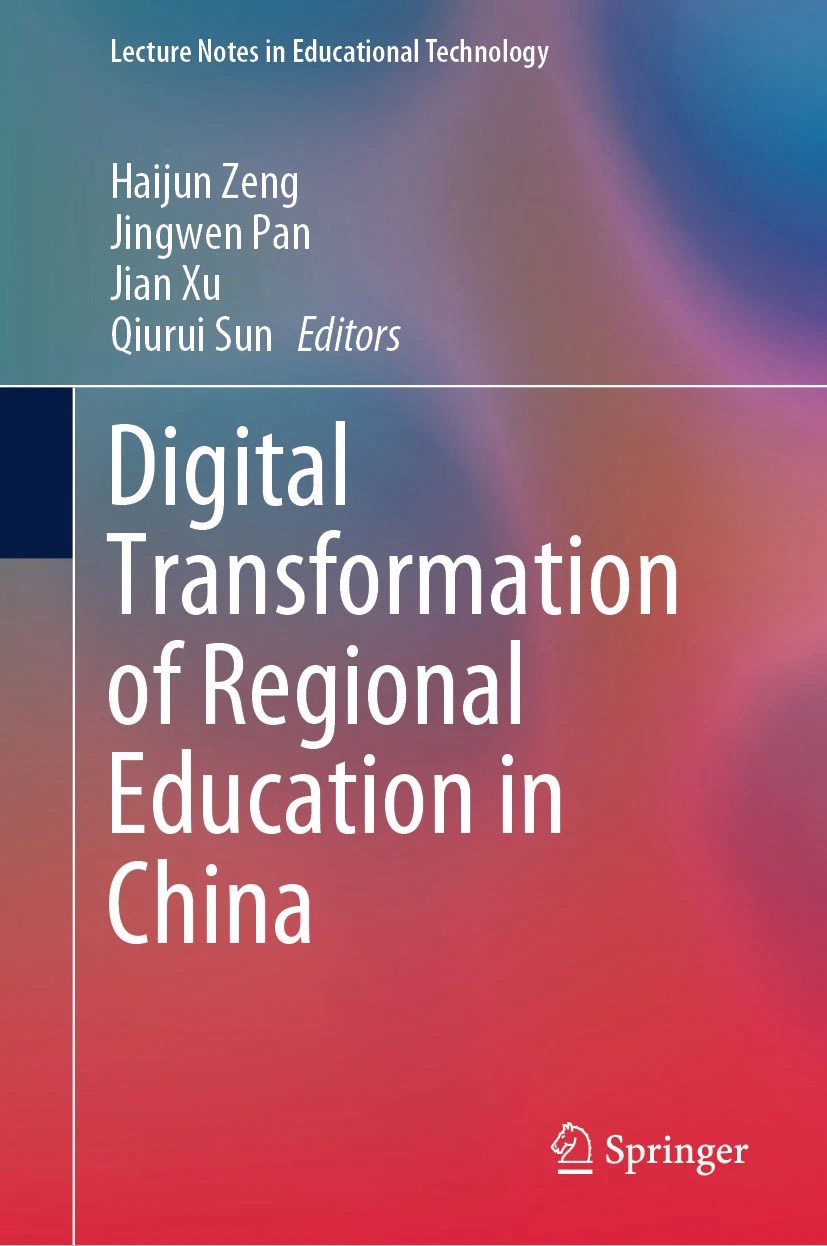
This book enriches the understanding of regional smart education in China and promotes sharing of smart education case studies in China and abroad. It presents 46 case studies selected from a total of 644 case studies collected nationwide in China. These selected case studies focus on regional construction, research findings, and solutions. The case studies on regional construction mainly focus on the sustainable development mechanism of regional smart education. The research findings case studies showcase research results produced by research teams and individuals, which involve theories, models, technologies, practical investigations, or international comparisons related to smart education. Lastly, the solution case studies are technical solutions provided by enterprises for the development of smart education, which include application scenarios, methods, and effects in regions or schools around smart educational equipment, platforms, networks, tools, resources, or integrated solutions.
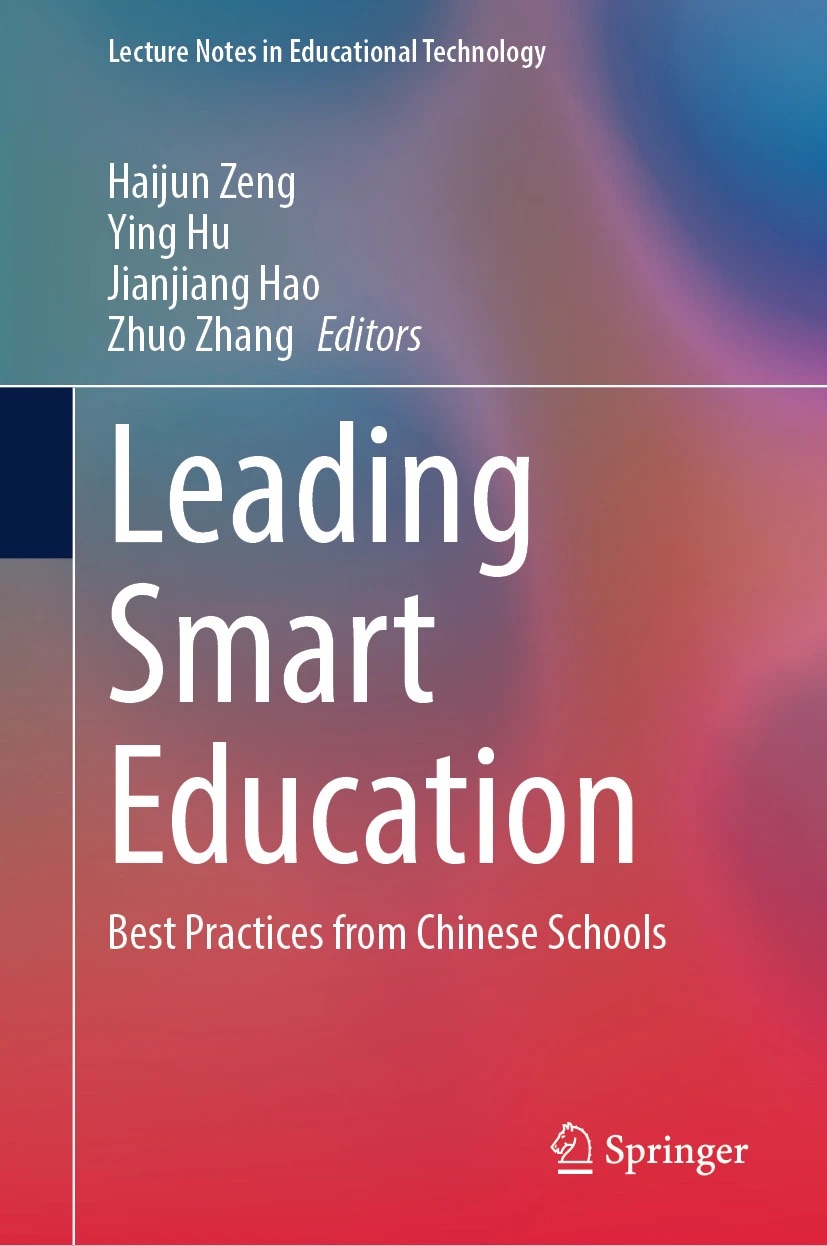
This book presents 28 practical case studies in detail and 49 case studies in brief. The collection of these case studies focuses on one or more aspects of exploration and practice on the following topics: smart campus and smart classroom, resource construction and sharing, new teaching mode, comprehensive quality evaluation of students, teacher professional development, application of teaching platform and tool, innovative application of online learning space, collaborative education, and school management and services. The selection and evaluation criteria of the case studies on school practice mainly include concept and implementation, effectiveness and characteristics, innovation and demonstration, and expression and structure. This book helps readers gain a rich understanding of the diverse innovative implementation of smart education in Chinese schools and inspires smart education development in schools in other countries.
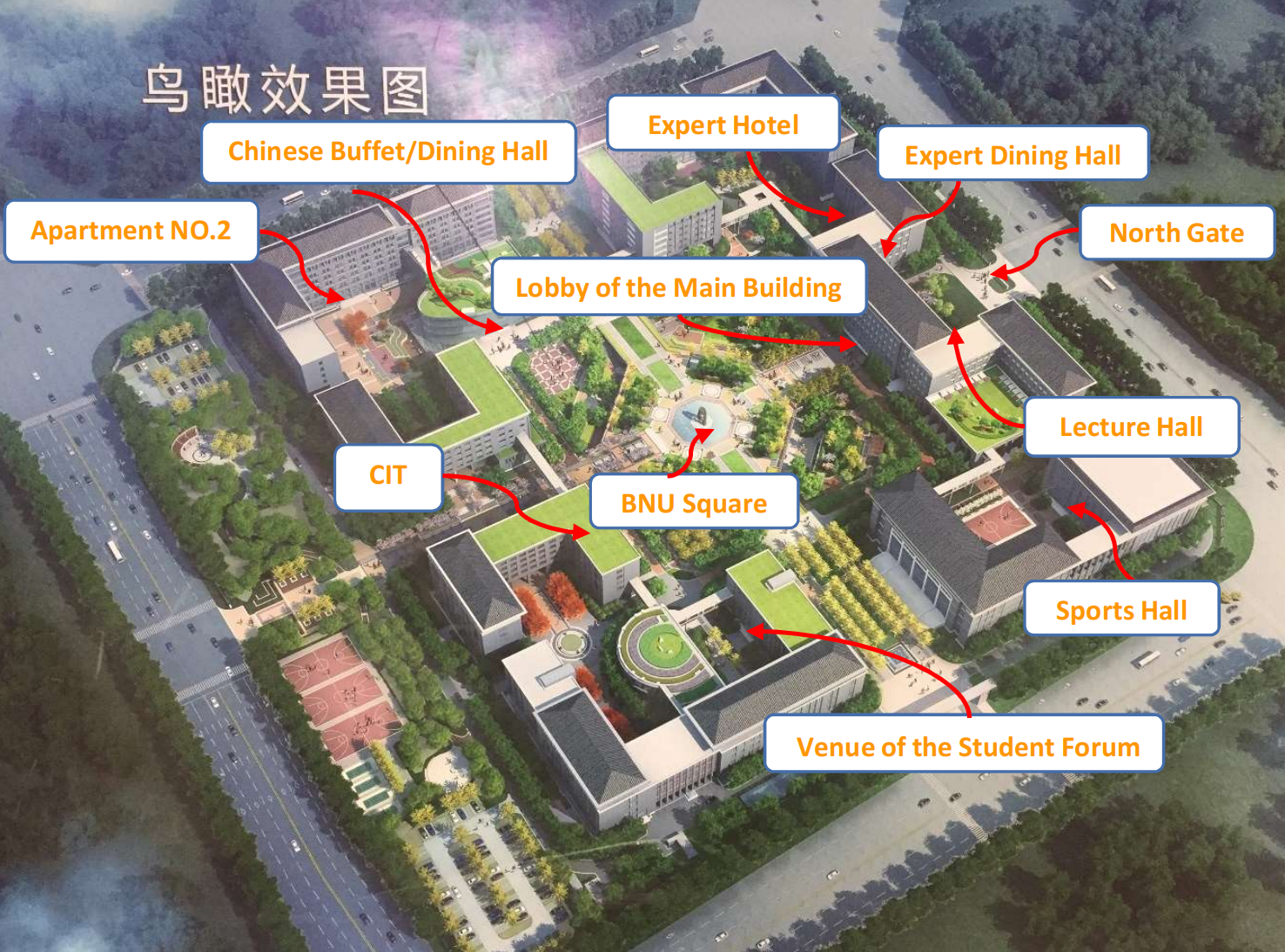
Changping Campus, Beijing Normal University (No. A2, Manjing Road, Changping District, Beijing)
North Gate of Beijing Normal University’s Shahe Campus (All attendees are required to enter through the North Gate)
Beijing Normal University (BNU)
Smart Learning Institute of Beijing Normal University (SLIBNU)
National Engineering Research Centre of Cyberlearning and Intelligent Technology
TEL:010-58807303
EMAIL:gse@bnu.edu.cn
© 2025 All Rights Reserved.